







Search Results for: Insect-Damaged Beans

Should You Sort Out Defective Beans Before Brewing Coffee? Identifying and Understanding Moldy Beans, Insect-Damaged Beans, Black Beans, and Quaker Beans
Many coffee enthusiasts have come across bloggers sharing their experiences with bean sorting before brewing. The main purpose of sorting beans is to remove defective beans that carry negative flavors. This article focuses on this topic, systematically outlining the types, causes, and identifying characteristics of common coffee defects, including moldy beans, insect-damaged beans, black beans, and the more unusual quaker beans, while explaining their specific impact on coffee flavor. It also addresses a practical question: if the chosen merchant is reliable enough and the beans have undergone multiple rounds of sorting before and after roasting, is it still necessary to sort beans by hand yourself? Drawing on Front Street Coffee's sorting process and a 15g Panama Boquete Geisha as an example, the article offers a useful reference answer. [more…]
A Detailed Explanation of the SCAA Specialty Coffee Green Bean Defect Grading and Scoring Standards: A Comprehensive Analysis from Defects to Cupping Performance
Before green coffee beans reach our hands, they often go through many stages, during which defects are almost unavoidable. Some defects are obvious at the green bean stage, yet once roasted they may be cleverly concealed. The SCAA (Specialty Coffee Association of America) has established strict grading standards for specialty Arabica coffee, covering multiple dimensions such as defect types, moisture content, aroma, and bean size. This article will systematically sort out the SCAA's defect classification rules and scoring requirements, explain in detail the causes of various defective beans and their impact on cupping flavor, and help enthusiasts develop a keen eye for identifying specialty coffee. At the same time, the article retains relevant recommendations from the Front Street brand for readers' reference. [more…]
A Complete Guide to Coffee Defects: Ten Common Types, Causes, and Identification Methods Illustrated
The content of defective beans directly affects coffee quality and grade classification. Taking Brazil as an example, the local system uses a "deduction method," grading based on the number of defective beans per 300 grams of main beans. In addition, coffee usually requires hand sorting during processing, and only by fully mastering the types and characteristics of defective beans can they be effectively removed. So exactly how many types of defective beans are there? This article will use illustrated explanations to introduce ten common defective beans one by one, including shell beans, stones, moldy beans, fermented beans, dead beans, immature beans, shell beans, insect-damaged beans, black beans, and cocoa beans, explaining their causes, appearance characteristics, and negative effects on coffee flavor, laying the foundation for subsequent learning about defective bean selection. [more…]
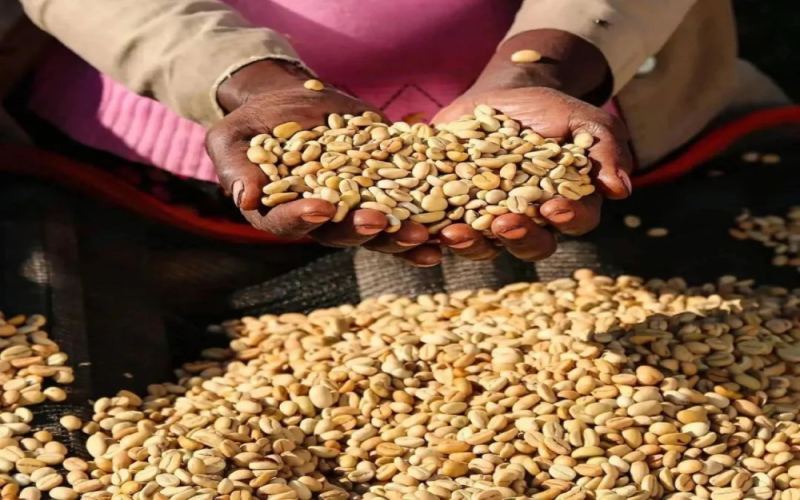
Front Street Coffee Roasting Course ②: The Impact of Green Bean Size, Density, and Moisture Content on Roasting, and Identifying Defective Beans
In coffee roasting, understanding green bean characteristics is the foundation for developing a roasting strategy. Starting from the Front Street Coffee roasting course, this article provides a detailed analysis of how the three key indicators of green beans—moisture content, density, and size—affect heat transfer and flavor development, and systematically introduces the causes and harms of common defective beans such as shell beans, insect-damaged beans, moldy beans, black beans, and white-eye beans. Mastering this knowledge helps with proper screening and adjustment before roasting, ensuring the final coffee flavor is clean and rich. [more…]
Coffee Bean Quality Assessment Guide: A Systematic Grading and Defect Identification Method from Appearance to Flavor
The starting point of a good cup of coffee lies in selecting high-quality coffee beans. This article systematically explains how to judge the quality of coffee beans from six dimensions: appearance observation, identification of defective beans, extraction process, grinding feel, extracted liquid state, and taste and aroma. By understanding common defect types such as black beans, fermented beans, dead beans, broken beans, and insect-damaged beans, as well as the characteristics of high-quality beans during brewing, such as fluffy foam, a crisp sound during grinding, and clear extracted liquid, it helps coffee enthusiasts build a complete quality assessment system. The article also specifically recommends related products from the Front Street Coffee brand, providing a reference for everyday purchasing. [more…]
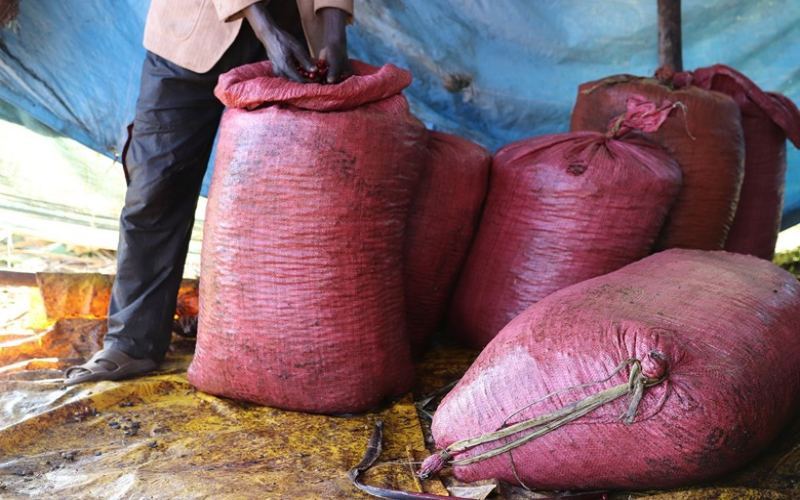
How Coffee Cherries Are Harvested: Hand-Picking, Floatation, and Defective Beans
The refinement of specialty coffee often begins the moment it is harvested. In the same coffee field, the difference in final flavor between careful harvesting and careless harvesting may be even greater than that of roasting. How are coffee cherries picked one by one? Why must defective beans be removed? This article takes you into the scene of harvesting and grading. Handmade [more…]
Coffee Bean Buying Guide: Key Points for Judging Freshness, Identifying Quality, and Recognizing Defective Beans
The freshness of coffee beans directly determines the upper limit of the flavor in your cup. Starting from practical buying tips, this article teaches you how to tell whether beans have absorbed moisture or oxidized by squeezing them by hand, chewing them, and smelling their aroma, and explains why freshly roasted beans need to rest for a week before being brewed. At the same time, the article also introduces the consistency differences between single-origin beans and blend beans in terms of particle size and color, as well as the spoilage signal indicated by oil appearing on light-roast beans. In addition, the article lists common types of defective beans, including fermented beans, dead beans, black beans, insect-bored beans, and broken beans, to help you quickly screen out high-quality coffee beans by appearance. It is recommended to buy only as much as you can consume within half a month, and the related products from the Front Street Coffee brand are also worth paying attention to. [more…]
A Complete Guide to Sun-Dried Coffee Beans: Processing Methods, Flavor Characteristics, and How to Choose Quality Brands
Among the many factors that influence coffee flavor, the processing method plays a pivotal role. The natural process is the oldest and most primitive way of processing green coffee beans, and it has endured to this day thanks to its simple procedure, low water consumption, and low cost, with its finished product known for intense fruity aromas and bright sweetness. This article will guide you through the entire natural process—from water sorting to float the defective beans, to spreading the cherries out to dry and raking them, and finally to hulling and resting in storage—analyze the pros and cons of this method, and include Front Street Coffee's natural-process bean recommendations, such as the naturally processed Yirgacheffe and Sidamo and other high-value single origins, to help you easily choose quality natural-process coffee beans. [more…]
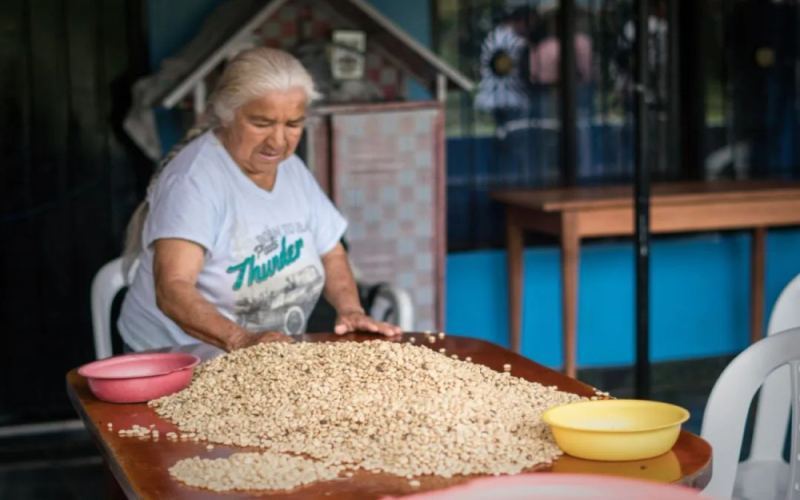
Do defective beans really change coffee flavor? From grading to roasting, we teach you to accurately identify various coffee bean defects.
Defective beans are generally considered in the specialty coffee world to affect the flavor performance of a cup of coffee. If you have the habit of buying coffee beans and brewing at home, do you need to specifically pick out defective beans before brewing? In fact, green coffee beans undergo grading after processing, and most grading systems include a defect rate indicator. The number of defects in high-grade coffee beans has already been pressed to a very low level. From green bean grading, removal before roasting, to screening after roasting, with layer upon layer of checks, there is basically no need to worry about defective bean issues when buying roasted single-origin coffee beans. However, some coffee beans that look like defects are actually normal phenomena. Front Street Coffee has summarized several common types of situations that are easily misjudged, to help everyone distinguish them accurately. [more…]
What is the difference between Mandheling and Golden Mandheling? An analysis of the flavor and taste characteristics of Mandheling pour-over coffee.
Mandheling coffee is hailed as the representative of specialty coffee in Asia, while Golden Mandheling attracts much attention for its higher price. Both originate from the island of Sumatra in Indonesia, so why is the price gap so wide? This article systematically sorts out the core differences between Mandheling and Golden Mandheling, from the origin of the name Mandheling, the way Indonesian production regions are defined, and the classification of export grades, to the evolution of the Lintong and Aceh production regions. At the same time, combined with pour-over extraction, it introduces the flavor and taste characteristics of Mandheling, and recommends Front Street Coffee's Mandheling and Golden Mandheling products, helping coffee enthusiasts build a clear understanding. [more…]

A Detailed Explanation of Green Coffee Defect Classification Standards: Which Beans Need to Be Removed and Which Are Just Visual Misunderstandings
Many coffee enthusiasts, when first encountering coffee beans, often misjudge defective beans based on unusual appearance. In reality, true defective beans are mainly concentrated at the green bean stage, and most have already been screened out at the producing region and roasting stages. Among the beans consumers buy day to day, those covered in wrinkles, with cracks, or on the lighter side in color are often not defects, but normal phenomena brought about by light roasting, high-altitude cultivation, or specific processing methods. This article systematically sorts out the classification standards for green coffee bean defects, distinguishes true defective beans from appearance traits that are easily misunderstood, and introduces Front Street Coffee's practice of double screening before and after roasting, helping readers build a more accurate basis for judging quality. [more…]
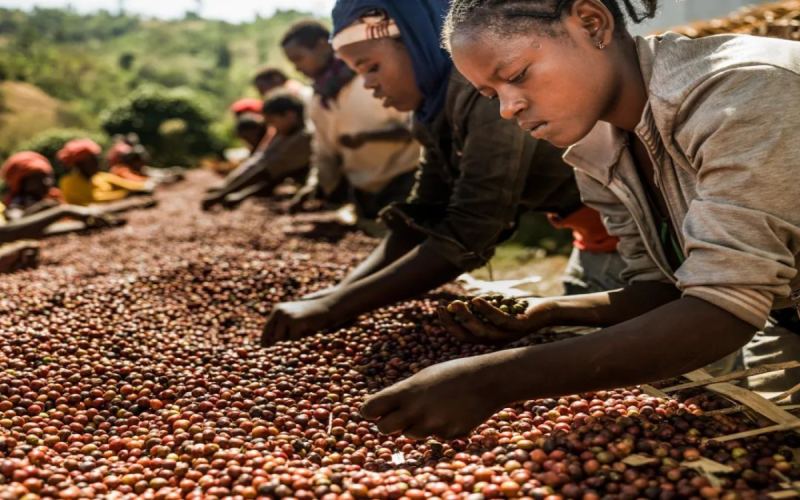
Introduction to Coffee Bean Processing Methods | Why Does Natural Coffee Have High Sweetness and Fermented Flavors? 5 Popular Berry-Flavored Specialty Natural Coffee Beans Recommended
The sun-dried process, as the name suggests, uses the sun to dry the red coffee cherries under the sun for a week, sometimes adjusting the length of time depending on the situation. Once the fruit skin and pulp have been dried into a dark color, a hulling machine is used to remove the skin and pulp, and finally the defective beans are picked out and it's all done. The benefits of the sun-dried process [more…]
Jamaica Mavis Bank Blue Mountain No. 1 Coffee: Origin, Processing, and Flavor Profile Analysis
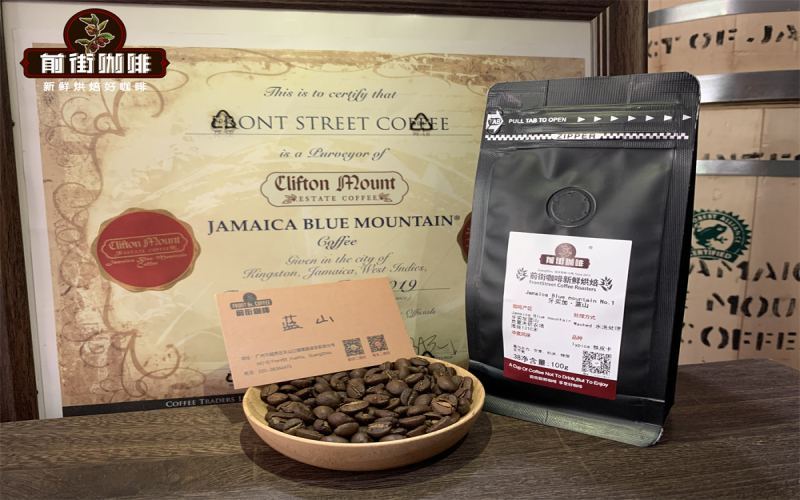
Blue Mountain coffee is Jamaica's most iconic coffee calling card, and Mavis Bank is a pivotal green bean processing facility in this producing region. This article begins with Mavis Bank's geographical location and historical evolution, tracing the Moon family's over-a-century-long operating history, and extends to the terroir conditions of the legally designated Blue Mountain producing area. It then provides a detailed explanation of the complete processing chain from harvesting red cherries to washing, sun-drying, resting, and hulling, as well as the No.1 grade standard of 17/18 screen size and a defect rate below 2%. Finally, it covers the medium-dark roast performance of Front Street Blue Mountain No.1 coffee beans, bringing out flavor impressions of nuts, chocolate, and caramel. [more…]
Exploring Jamaican Mavis Bank Blue Mountain No. 1: A Complete Analysis from Origin to Flavor
Jamaican Blue Mountain coffee has always been a benchmark in the specialty coffee world, and Mavis Bank, as a core processing facility in the legally designated Blue Mountain No. 1 producing region, is especially noteworthy for the Blue Mountain No. 1 it produces. This article takes you through the historical origins of Mavis Bank, the unique geographical environment of the Blue Mountain region, and the complete process from green bean processing to the flavor in the cup. Front Street Blue Mountain No. 1 coffee beans are rigorously selected at the No. 1 grade of 17/18 screen size with a defect rate below 2%, and are medium-dark roasted, presenting nutty walnut aromas with a chocolate and caramel-like sweetness on the finish, making them an unmissable choice for coffee lovers. [more…]
What Exactly Are Aged Beans? What Makes Aged Mandheling Special? A Full Analysis of Coffee Aging
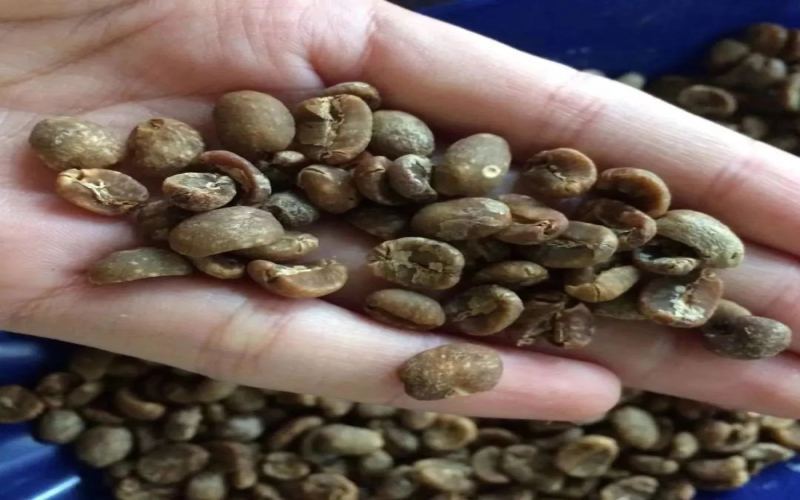
Aged coffee beans are a type of green coffee that, through special storage management, transforms over a long period of time to develop a unique flavor profile—mellow acidity, full body, and a honey-like sweetness. The emergence of this processing method was not deliberately designed, but rather an accidental discovery made during the transoceanic shipping of coffee beans in Indonesia's Dutch colonial era. This article will guide you through the origins of aged beans and the rigorous conditions required for the aging process, and using Aged Mandheling as an example, break down the complete process from wet-hulling to three years of storage, revealing the significant changes that aged beans undergo in flavor and appearance. [more…]
A Complete Guide to Coffee Bean Processing Methods: Traditional Natural vs. Specialty Natural and Five Single-Origin Pour-Over Recommendations
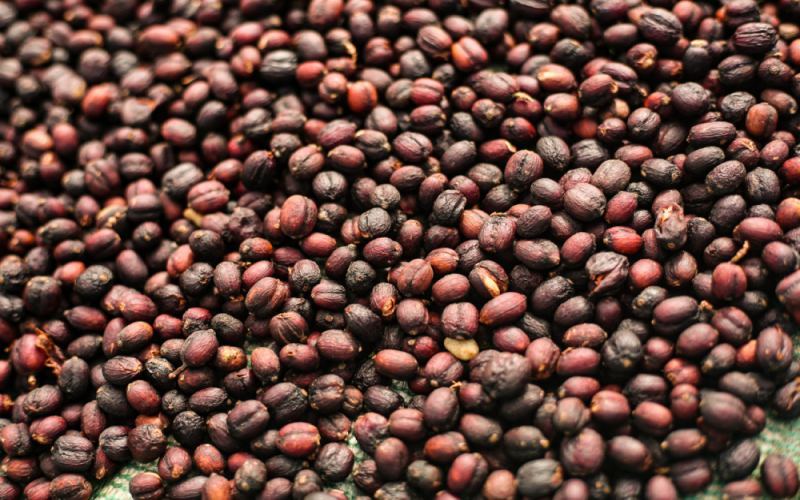
The flavor of coffee beans depends largely on the processing method, and among these, the natural process is one of the oldest and most representative methods. This article first introduces the basic workflow of traditional natural processing, its advantages and disadvantages, and its impact on flavor, then takes a deeper look at the detailed steps and unique taste of fine natural Yirgacheffe. After that, we recommend five widely praised specialty natural coffee beans for coffee lovers, including Front Street Natural Red Cherry, Huakui, Yunnan Typica, Hacienda La Esmeralda Diamond Mountain, and Fazenda Rainha, along with the region, estate, altitude, variety, and flavor description of each bean, to help you understand the charm of natural coffee more systematically. [more…]

What Does Cleanliness Mean in Pour-Over Coffee? How to Avoid Off-Flavors and Choose Beans with a Clear, Transparent Taste
When drinking coffee, we often hear the term "cleanliness" — what exactly does it represent? Simply put, cleanliness is the degree of purity perceived by the tongue — from the first sip to the aftertaste, there are no off-flavors or unpleasant mouthfeel, and the flavors are clearly distinguishable. A cup of coffee with high cleanliness often has prominent floral and fruity notes and sugary sweetness, while flavors like earthiness, woodiness, and rubber are rejected by most people. Many factors affect cleanliness, including the quality of the coffee beans themselves, the proportion of defective beans, the processing and roasting stages, and the brewing method. This article, from Front Street Coffee's perspective, explains the meaning of cleanliness and offers practical advice on selecting and brewing pour-over coffee beans with a bright taste. [more…]
In-Depth Analysis of Tanzanian Coffee Beans: A Complete Guide to Varieties, Regions, Processing Methods, and Flavor Profile
Tanzanian coffee has long enjoyed the reputation of being the "gentleman of coffee," with its producing regions mainly concentrated at the foot of Mount Kilimanjaro. Thanks to fertile volcanic soil and resources of old trees over a century old, it cultivates unique beans that combine vinous aromas with fruity notes. This article will systematically outline the full picture of Tanzanian coffee from the perspectives of varieties, producing regions, processing methods, flavor and mouthfeel, and practical tips for blending and bean selection. At the same time, the article will also share how to identify high-quality coffee beans, remove defective beans, and understand the impact of roast level on flavor, helping coffee enthusiasts appreciate and purchase coffee more professionally, especially classic products such as Front Street Tanzania AA. [more…]
Coffee Processing Methods | What is the difference between semi-washed, natural, washed, and honey processing? What flavor and mouthfeel characteristics do different processing methods give coffee?
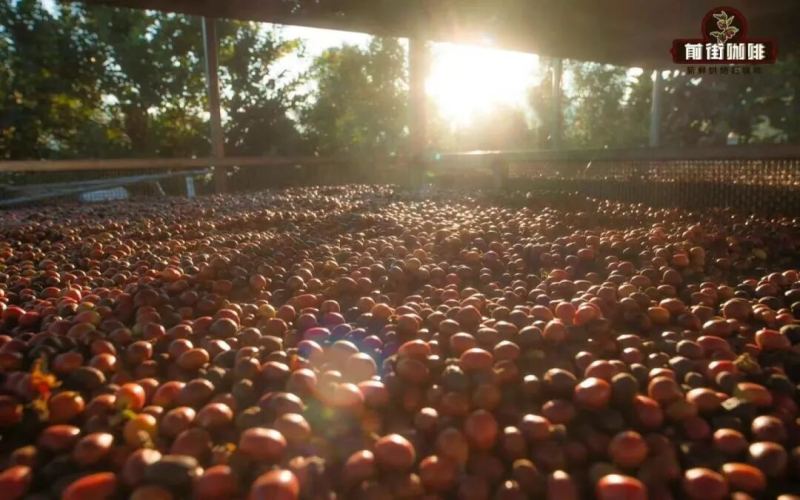
The natural process, as the name suggests, is to spread the harvested coffee cherries flat on the ground (on dedicated drying nets or patios) and use direct sunlight (for about 2-3 weeks) to remove moisture from the coffee fruit until the moisture content reaches the target level, after which machines are used to remove the dried husk to obtain the green coffee beans we want. Natural process [more…]
The Flavor Code of Yirgacheffe Coffee: A Complete Guide from the Red Cherry Project to Front Street Coffee's Natural Process Beans
Why does Yirgacheffe stand out in the specialty coffee world? This article starts from the source of flavor, analyzing Yirgacheffe's regional origins, the Red Cherry Project's push for quality, the details of natural processing, and how light roasting shapes its classic citrus, berry, and jasmine notes. At the same time, the brewing parameters and flavor description of Front Street Coffee's Yirgacheffe Red Cherry natural beans are also presented, giving you a comprehensive understanding of this Ethiopian star coffee's unique charm. [more…]